
Bachelor of Studies in Psychology

Explore the structure, outcomes, eligibility, and pathways of this program at Greenwich University.
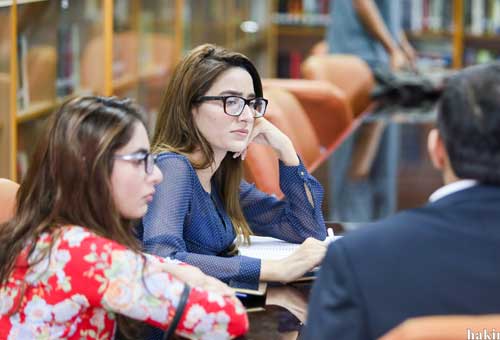
Bachelor of Studies in Psychology

Bachelor of Studies in Psychology

Degree
Undergraduate
Category
Faculty of Liberal Arts & Humanities
Credit Hours
136
Duration
4 Years

Program Overview

The Bachelor of Science in Psychology undergrad program provides students with a strong foundation in the scientific study of human behavior and mental processes. The curriculum integrates theory, research, and practical application to help students understand how individuals think, feel, and act in different contexts. The program offers four areas of specialization. Students are introduced to key areas such as cognitive psychology, developmental psychology, and social behavior. Emphasis is placed on critical thinking, research methodology, and data analysis, preparing graduates to evaluate psychological concepts using evidence-based approaches. The program also encourages hands-on learning through research projects, internships, and community engagement. Graduates leave with both theoretical knowledge and practical skills that are applicable in a wide range of professional and academic settings.

Eligibility

The basic eligibility requirement for admission to the Bachelor of Science in Tourism & Hospitality Management is a Higher Secondary School Certificate HSSC, A levels, or an equivalent qualification recognized by the IBCC, involving 12 years of schooling with a minimum of 50 percent marks.

Job Market

A degree in psychology opens the door to diverse and growing career opportunities. Graduates can pursue entry-level roles or continue with advanced studies in specialized fields. Career pathways include: • Clinical and counseling support roles • Human resource management • Educational and school support services • Social and community services • Market research and consumer behavior analysis • Organizational development and training With further specialization (e.g., graduate studies), students can become licensed psychologists, therapists, researchers, or academic professionals. The demand for professionals with strong interpersonal, analytical, and behavioral understanding skills continues to grow across industries such as healthcare, education, business, and public service.

Why Choose: Bachelor of Studies in Psychology

Gain a strong understanding of human behavior, emotions, and mental processes applicable to real-world situations Develop critical thinking, research, and data analysis skills valued across multiple professions Prepare for diverse career paths in healthcare, education, business, and social services Build a solid foundation for advanced studies in psychology, counseling, or related fields Enhance communication and interpersonal skills essential for working effectively with individuals and communities

Foundation Module

General Mathematics
Personality Grooming

Module 1

Applications of Information & Communication Technologies
Intro to Media & Communication Studies
Introduction to Psychology
Schools & Perspective in Psychology
Quantitative Reasoning I

Module 2

Global Sustainability
Experimental Psychology
Theories of Personality

Module 3

Professional Communication
Philosophy & Critical Thinking
Religious Education
Behavioral Neuroscience

Module 4

Civics & Community Engagement
Ideology & Constitution of Pakistan
Cognitive Psychology
Ethics in Psychology
Psychological Testing

Module 5

Artificial Intelligence in Media
Cross Cultural Psychology
Development Psychology
Environmental Psychology
Industrial & Organizational Psychology

Module 6

Elective Course I (Specialization)
Elective Course II (Specialization)
Counselling Psychology
Psychology of Gender
Positive Psychology

Module 7

Clinical Psychology
Elective Course III (Specialization)
Elective Course IV (Specialization)
Elective Course V (Specialization)
Forensic Psychology

Module 8

Elective Course VI (Specialization)
Elective Course VII (Specialization)
Psychology & Emerging Technologies

Specialization: Clinical Psychology

Adult Psychopathology
Child Psychopathology
Clinical Assessment & Diagnosis Clinical
Supervision & Consultation Crisis
Intervention & Management
Ethical Issues in Clinical Practice
Psychoanalysis & Psychodynamic Approaches
Psychological Interventions & Therapies
Psychopharmacology in Clinical Practice

Specialization: Developmental Psychology

Aging & Geriatric Psychology
Cognitive Development in Children
Cultural Influences on Development
Developmental Assessment & Intervention
Family Dynamics & Child Development
Gender Development in Children & Adolescents
Language Acquisition & Development Lifespan
Development Lifespan Health & Mental Health

Specialization: Educational Psychology

Behavioral Interventions in Educational Settings
Education in Socio-cultural Contexts
Educational Leadership & Psychology
Educational Psychology in Digital World
Guidance & Counseling in Educational Settings
Inclusive Education & Diversity
Learning Theories & Instruction
Psychological Assessment in Education
Special Needs Advocacy

Specialization: Industrial & Organizational Psychology

Career Development & Training
Conflict Management in Organization
Consumer & Marketing Psychology
Diversity & Inclusion at Workplace
Ethical Issues in Organizational Setting
Leadership in Organizations
Occupational Health & Safety
Organizational Behavior & Work Motivation
Organizational Culture & Climate

Program Learning Outcomes

Learning outcomes are not available for this program yet.
Curriculum details are not available for this program pathway.

Course Features

Courses
49
Duration
4 Years
Level
Undergraduate
Credit Hours
136
Category
Faculty of Liberal Arts & Humanities